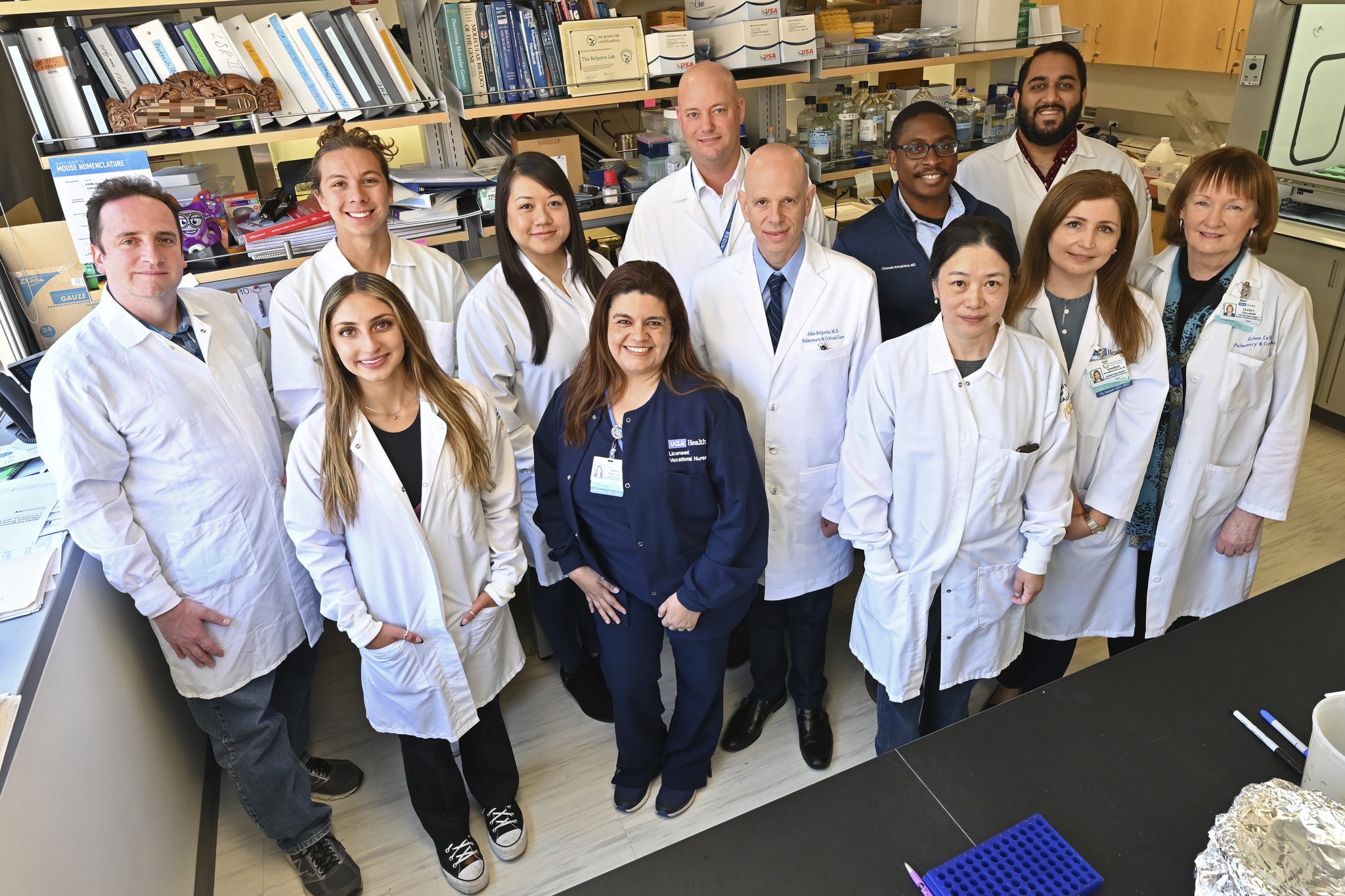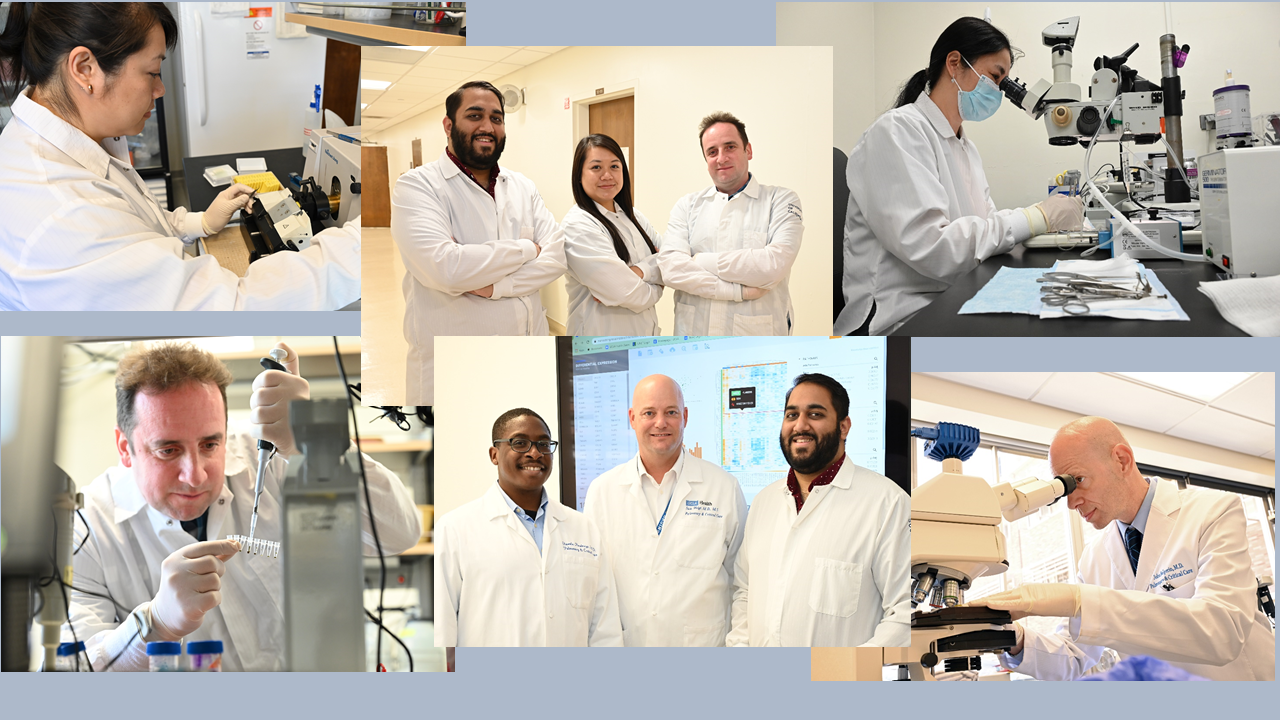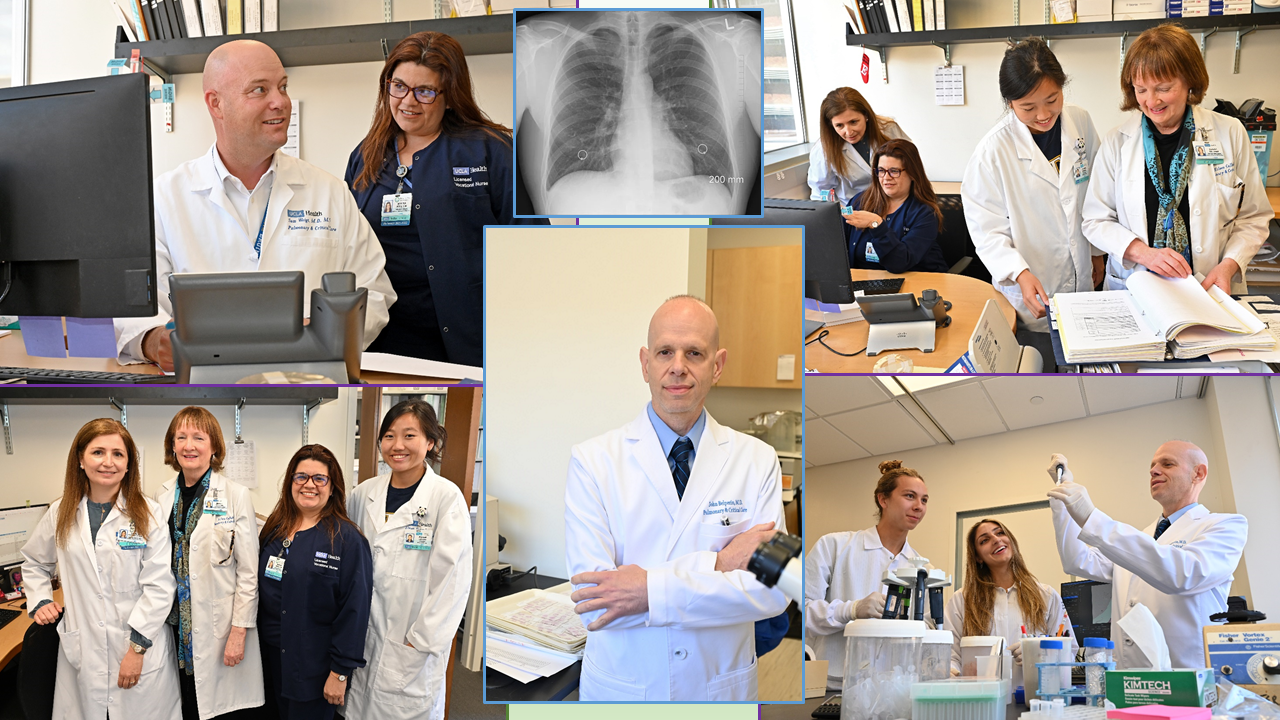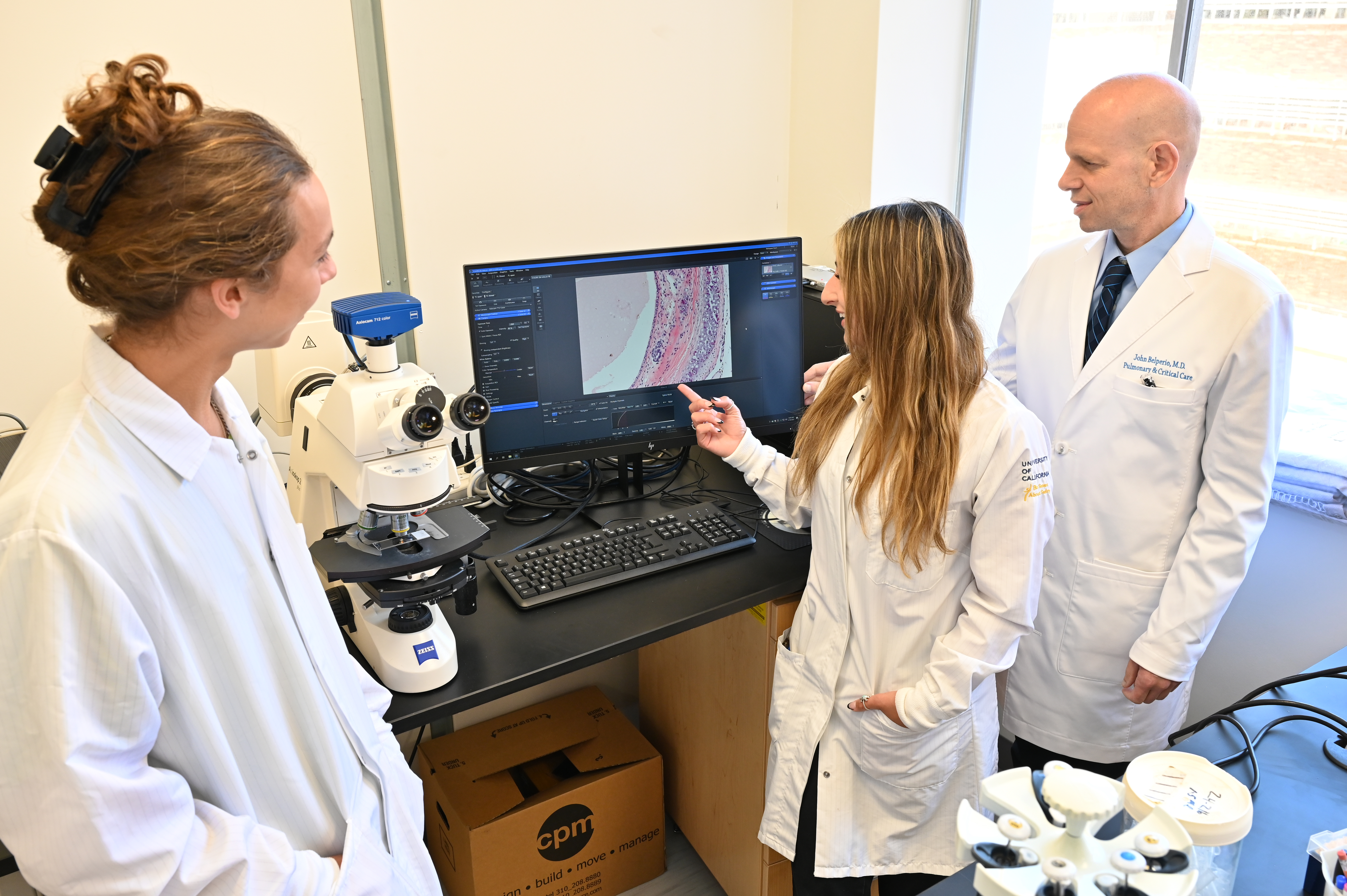
We continue to treat patients with idiopathic pulmonary fibrosis (IPF), sarcoidosis, chronic obstructive pulmonary disease (COPD), bronchiectasis and lung transplantation. Additionally, we have conducted research in these areas. Among the many highlights, we discovered a predictor of IPF outcomes that could lead to improved medical treatment; published extensively on sarcoidosis and progressed new mouse models that will improve our understanding and treatment of sarcoidosis and COPD; targeted a promising treatment to reduce lung transplant rejection; developed an inhalation-based delivery method for a JAK-STAT inhibitor, which aids lung transplant acceptance, aiming to eliminate unwanted side effects of systemic delivery; advanced faster and more accurate COVID-19 detectors that can lead to more precise immunotherapy and also translate to other disease detection; and, in the area of stem cell research, we were the first to treat airways using stem cells with exciting promise for repairing lung damage.

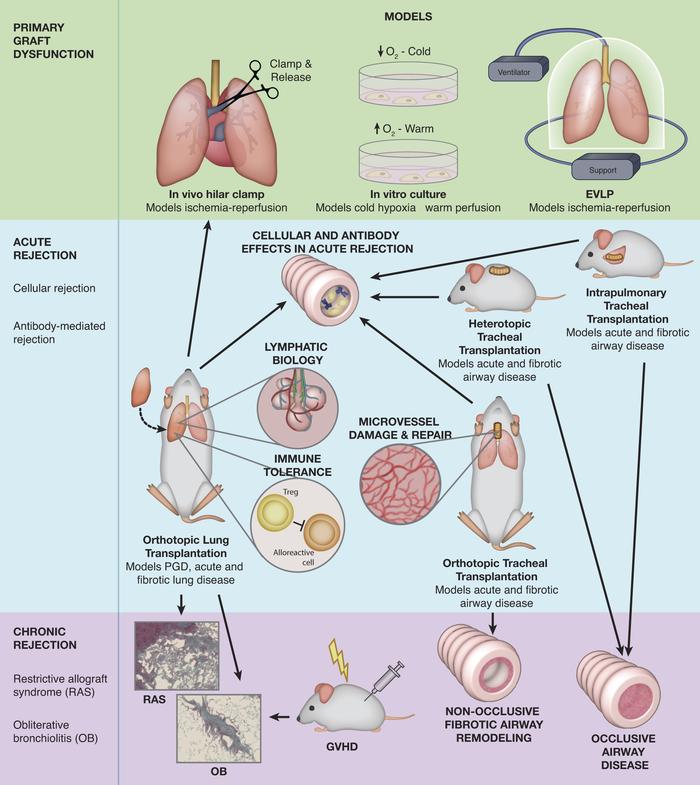
There are a number of preclinical models (right) to study the three major complications of lung transplantation (left): (i) Primary graft dysfunction (PGD), which occurs as a consequence of organ procurement, cold storage and implantation; (ii) acute rejection (AR), which is mediated through cell- and antibody-mediated immune responses; and (iii) chronic rejection or CLAD, which pathologically manifests as RAS and OB.
Lama VN, Belperio JA, Christie JD, El-Chemaly S, Fishbein MC, Gelman AE, Hancock WW, Keshavjee S, Kreisel D, Laubach VE, Looney MR, McDyer JF, Mohanakumar T, Shilling RA, Panoskaltsis-Mortari A, Wilkes DS, Eu JP, Nicolls MR. Models of Lung Transplant Research: a consensus statement from the National Heart, Lung, and Blood Institute workshop. JCI Insight. 2017 May 4;2(9):e93121. doi: 10.1172/jci.insight.93121. PMID: 28469087; PMCID: PMC5414568.